
By Dr. Bharat Vaidya B.A.M.S., M.D.
Owner and Founder of Ayurved Sadhana
Dean and Senior Faculty at Ayurved Sadhana
January’s cold strengthens Agni but aggravates Vāta. Warmth, proper food combinations, and attention to seasonal rhythm help preserve Ojas, maintain immunity, and prevent inflammatory or rheumatic disturbances.
January represents the peak of Sisira Ritu, the cold season, when Vāta predominates due to cold, dryness, and contraction of bodily channels. Although digestive fire (Agni) is naturally strong at this time, it must be supported with warm, unctuous, and well-combined foods to prevent imbalance.
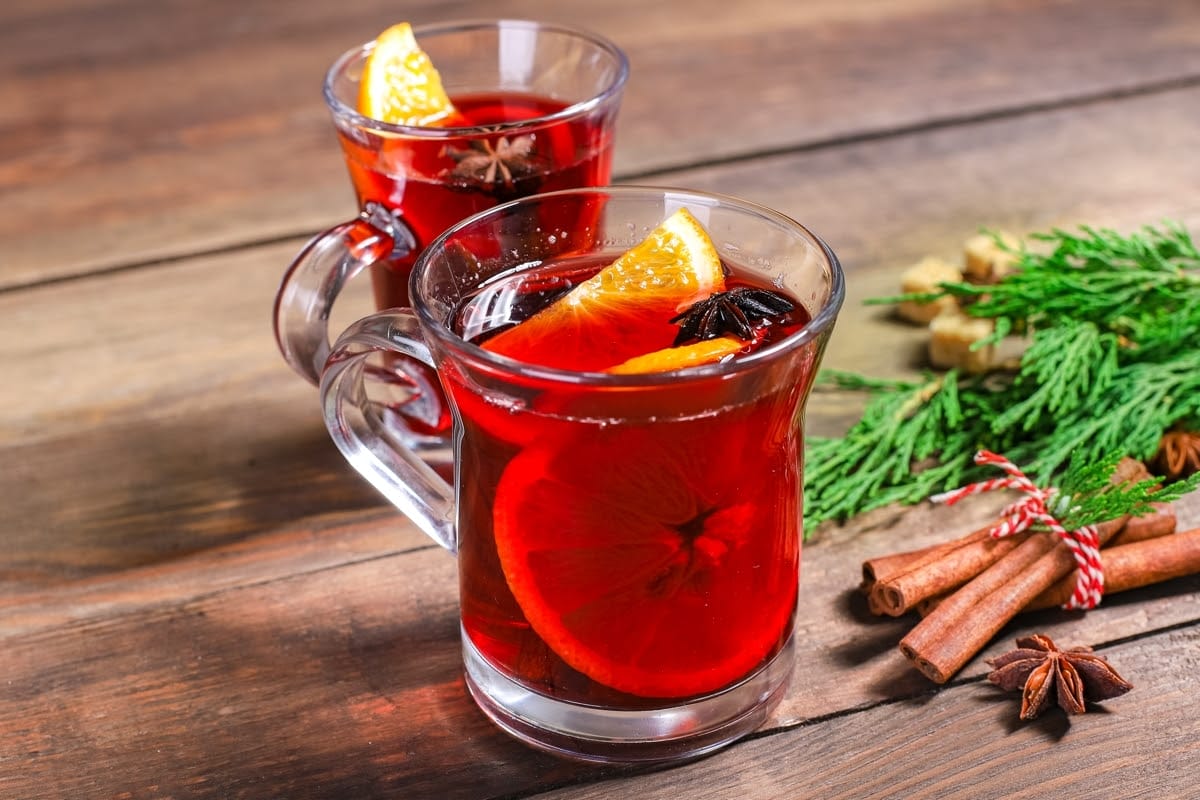
Traditional guidance for this season includes the regular use of warming teas. Black haw tea is recommended in the evening, while slippery elm or flaxseed tea may be taken in the morning or during the day to soothe and nourish the system.
Vegetables such as cabbage, cauliflower, Brussels sprouts, and bean sprouts should be lightly scalded, finely chopped, and prepared as hot salads, ideally paired with light dressings. Onions, both raw and cooked, are especially valuable during this season, though they should not be combined with heavy starchy foods if their full nutritional value is to be realized.
Warming spices — including cumin, coriander, black pepper, cayenne, fenugreek, black mustard seed, and asafetida — support digestion and circulation and help maintain internal heat.
Core fruits and seed fruits such as apples, pears, berries, pomegranates, and persimmons may be combined with tuberous vegetables like potatoes, carrots, turnips, yams, and salsify. These combinations may be grated, mixed with grain or rice flour, and prepared as patties or fritters.
Pulses — including lentils, beans, peas, and garbanzos — should be treated as a distinct food category. They combine best with grains, dough products, or tubers and should not be paired with fruits or berries, as such combinations can disturb blood and elemental balance.
Eggs are best combined with grains or cereals and lightly acidic fruits or sun-cooked vegetables, avoiding tubers. Proper combinations enhance assimilation and support vitamin absorption.
During this season, it is advisable to include hot soup or warm salads with lunch or dinner, while breakfast may consist of fruit, eggs, or cereals. Warm foods, warm clothing, and a warm environment are essential supports during intense cold. In especially bitter conditions, saffron tea may help maintain healthy circulation.
Ayurvedic Footnote:
January’s cold strengthens Agni but aggravates Vāta. Warmth, proper food combinations, and attention to seasonal rhythm help preserve Ojas, maintain immunity, and prevent inflammatory or rheumatic disturbances.
Namaste.
– Dr. V
All rights reserved — Ayurved Sadhana Vidyalaya, Colorado, U.S.A.
Please connect with us if you have any questions about this blog at info@ayurvedsadhana.com